あらすじ
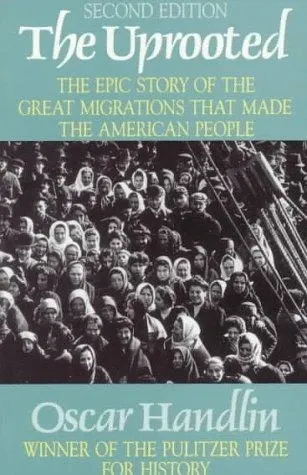
1952年のピュリッツァー賞(歴史部門)を受賞した本書は、19世紀後半から20世紀初頭にかけてアメリカにやって来た数百万のヨーロッパ移民に共通する経験——彼らの恐れ、希望、期待——を記録する。政府の記録、新聞記事、私信に刻まれた人間の物語を前面に押し出すため、著者は、この歴史を、注記や学術用語に妨げられない文学的な物語として書くことを選んだ。その結果が、最良の文学的歴史である。ニューヨーカー誌はこれを「力強い題材を、見事で実に感動的なやり方で扱っている」と評し、ニューヨーク・タイムズ紙は「『The Uprooted』は、ひと味違う歴史だ——その違いとは、出来事に劣らず心と魂に関わっているところにある」と評した。本書は、アメリカの移民の歴史における一世代の研究に霊感を与えたが、移民が直面した陰鬱な状況を強調し、ほぼもっぱらヨーロッパの農民に焦点を当て、アメリカへの移民の原因についての決定的な答えを提供すると主張していないために、移民の情緒的な経験をよく調べられ読みやすく描き出したその大きな価値や、世紀の変わり目のアメリカの時と場所を喚起するその力が、時に見過ごされてきた。今日では移民研究の基礎的なテキストとして認められている本書のこの版には、著者による新たな序文が収められている。
AI翻訳 内容に誤りを含む場合があります。
原著あらすじ
"Awarded the 1952 Pulitzer Prize in history, The Uprooted chronicles the common experiences of the millions of European immigrants who came to America in the late nineteenth and early twentieth centuries - their fears, their hopes, their expectations. In order to bring forward the human story recorded in government records, newspaper accounts, and personal correspondence, the author chose to write this history as a literary narrative unencumbered with notations and academic jargon. The result is literary history at its best. The New Yorker called it "strong stuff, handled in a masterly and quite moving way," while the New York Times suggested that "The Uprooted is history with a difference - the difference being its concerns with hearts and souls no less than an event."" "The book inspired a generation of research in the history of American immigration, but because it emphasizes the depressing conditions faced by immigrants, focuses almost entirely on European peasants, and does not claim to provide a definitive answer to the causes of American immigration, its great value as a well-researched and readable description of the emotional experiences of immigrants, and its ability to evoke the time and place of America at the turn of a century, have sometimes been overlooked. Recognized today as a foundational text in immigration studies, this edition contains a new preface by the author."--Jacket.
受賞
原書で読む
広告(アフィリエイト)を含みます
この本の和訳はまだありません(翻訳が望まれます)。