ピューリッツァー賞 一般ノンフィクション部門 ・ 1963
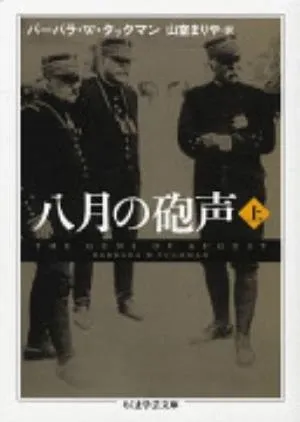
八月の砲声
あらすじ
1962年に刊行されるやいなや称賛を浴び、1963年にピュリッツァー賞を受賞した本書は、1914年の第一次世界大戦の破局的な勃発と、それに続く30日間の戦いを描いた古典的な記録である。この開戦の衝突は、戦争のその後の道筋を決定し、私たちの世紀の歴史を形づくった。その張りつめたドラマは、今なおバーバラ・W・タックマンの見事なベストセラーの読者を魅了し続けている。1914年の夏、ヨーロッパは、ジャックストローのように繊細に積み上げられた剣の山のようであり、一本を引き抜けば他のすべてが崩れずにはいなかった。それでも、政治家、元帥、提督、王、そして愛国者たちは、自らが信じたいこと——あるいは信じないでいることを恐れたこと——を信じ、数週間のうちに勝利がおのずと姿を現すものと、深い無知のうちに待っていた。ところが、8月の大惨事は、一世代のヨーロッパ人の命を奪う、4年に及ぶ苦い膠着した戦争の前奏曲だった。ドイツ・フランス・イギリス・ロシアの参謀本部は、戦端が開かれる10年も前に、戦争の計画を練り上げていた。ドイツはフランスに侵攻するつもりだった。イギリスはその陸軍をフランス軍との協働に投じていた。ロシアとの同盟とイギリスとの「協商」に支えられたフランスは、ひたすら攻勢と急襲の観点から戦略を組み立てた。ロシアは、ドイツ主力軍が西部にかかりきりになっている間に、東プロイセンへの挟撃侵攻を計画した。これらの計画はどれも、互いの不測の事態を考慮に入れておらず、また自らの本質的な誤りを認めてもいなかった。それでいて、戦争が始まるおそらく5年前から、各参謀本部は他がどう動くかを知っていた——すべては計画されていたのである。1914年8月の戦いの血なまぐさい一覧には、リエージュ、タンネンベルク、モンス、国境の戦い、そしてシャルルロワといった、ほとんど神話的な名が含まれている。そして、打ち砕かれたフランス軍を不屈に立て直したジョフル、ロシア第2軍の壊滅ののち自ら命を絶ったサムソノフ、頑迷に致命的な誤りを犯したフォン・クルック、コンスタンティノープルへの絶望的で運命的な針路を選んだスション提督といった人々。これらの人物や他の多くの忘れがたい肖像を通して、タックマン夫人は、その著書を二重に胸躍るものにした——戦争の惨禍の人間的な理由を明らかにしながら。
AI翻訳 内容に誤りを含む場合があります。
原著あらすじ
Published to immediate acclaim in 1962 and the winner of the Pulitzer Prize in 1963, The Guns of August is the classic account of the cataclysmic outbreak of World War I in 1914 and the 30 days of battle that followed. This opening clash determined the future course of the war and shaped the history of our century. Its tense drama continues to enthrall readers of Barbara W. Tuchman's magnificent best-selling work, now in 25th anniversary edition with a new preface by the author. In the summer of 1914, Europe with a heap of swords piled as delicately as jackstraws, and not one could be drawn out without upsetting the others. Still, statesmen, field marshals, admirals, kings, and patriots believed what they wanted to believe -- or what they feared not to believe -- and waited in profound ignorance for victory to reveal itself within a matter of weeks. Instead, the holocaust of August was the prelude to 4 bitter years of deadlocked war that cost a generation of European lives. The German, French, English, and Russian General Staffs had had their plans for war completed as early as 10 years before hostilities began. Germany intended to invade France; England had committed her army to cooperation with the French Army. France, bolstered by her alliance with Russia and her "entente" with Britain, designed her strategy in terms solely of the offensive and the attaque brusqueée. Russia planned a pincer invasion of East Prussia while the main German armies were involved in the West. None of these plans allowed for the contingencies of the others, or recognized their own intrinsic errors. Yet for perhaps five years before the war began, each General Staff knew what the others would do; all that was planned. The bloody catalogue of the battles of August 1914 includes the almost mythic names of Liège, Tannenberg, Mons, the Battle of the Frontiers, and Charleroi. And of men like Joffre, indomitably rebuilding his shattered French armies; Samsonov dying a suicide after the annihilation of the Russian 2nd Army; von Kluck stubbornly committing his fatal mistake; Admiral Souchon choosing his desperate and fateful course for Constantinople. Through her unforgettable portraits of these characters and many others, Mrs. Tuchman has made her book doubly exciting -- revealing the human reasons for the disasters of war. - Jacket flap. In this landmark, Pulitzer Prize-winning account, renowned historian Barbara W. Tuchman re-creates the first month of World War I: thirty days in the summer of 1914 that determined the course of the conflict, the century, and ultimately our present world. Beginning with the funeral of Edward VII, Tuchman traces each step that led to the inevitable clash. And inevitable it was, with all sides plotting their war for a generation. Dizzyingly comprehensive and spectacularly portrayed with her famous talent for evoking the characters of the war's key players, Tuchman's magnum opus is a classic for the ages. - Random House.
受賞
和訳版を買う
広告(アフィリエイト)を含みます