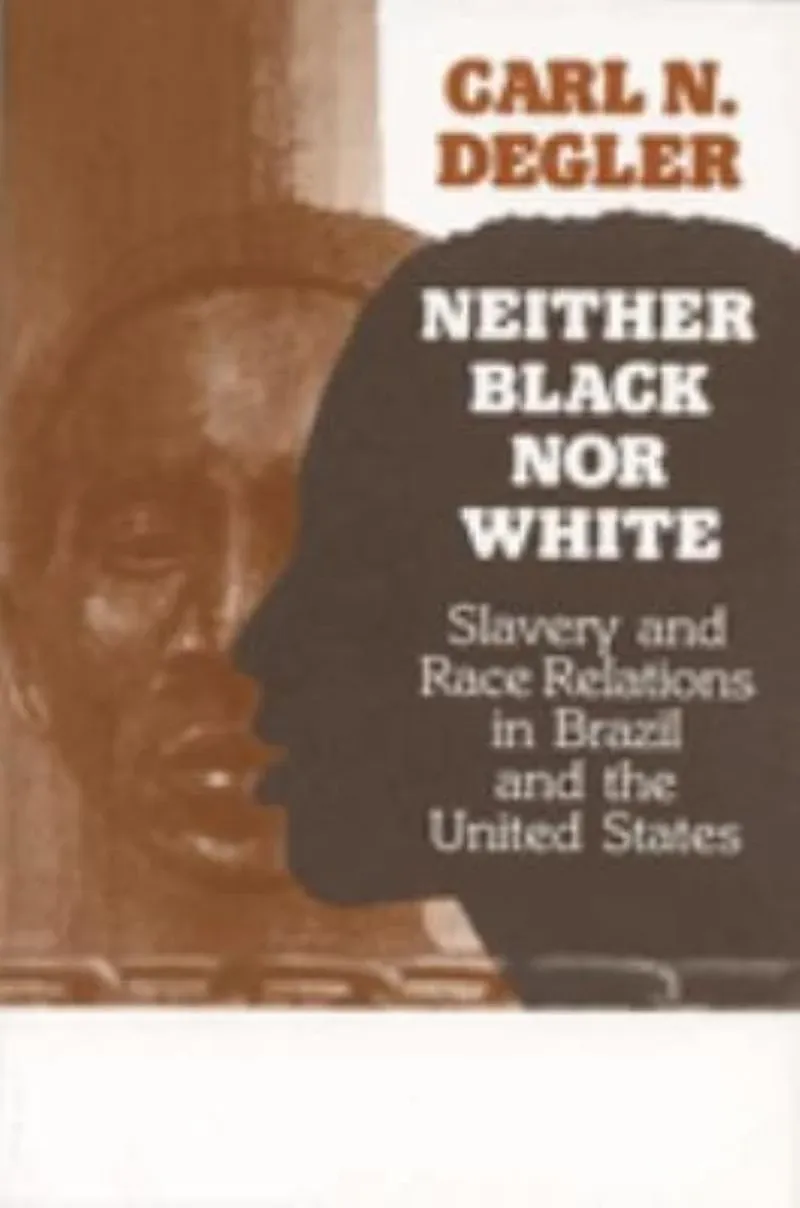
あらすじ
この画期的な著作が現れるまで、学者たちは、合衆国とブラジルにおける奴隷制と人種関係の異なる道筋に頭を悩ませてきた。ブラジルは、合衆国に現れたような厳格な人種隔離の制度を発展させることはなく、ブラジルの黒人は経済的に地位を高め、アフリカの文化をはるかに多く保持することができた。ブラジルの奴隷制のほうがより人道的だったとするジルベルト・フレイレとフランク・タネンバウムの説を退けて、著者は、その違いの真の理由として、人口統計的・経済的・文化的要因の組み合わせを指摘する。
AI翻訳 内容に誤りを含む場合があります。
原著あらすじ
Until this groundbreaking work, scholars were puzzled by the differing courses of slavery and race relations in the United States and Brazil. Brazil had never developed a system of rigid segregation, such as appeared in the United States, and blacks in Brazil were able to gain economically and retain far more of their African culture. Rejecting the theory of Giberto Freyre and Frank Tannenbaum -- that Brazilian slavery was more humane -- the author points to a combination of demographic, economic and cultural factors as the real reason for the differences.
受賞
和訳版を買う
広告(アフィリエイト)を含みます