あらすじ
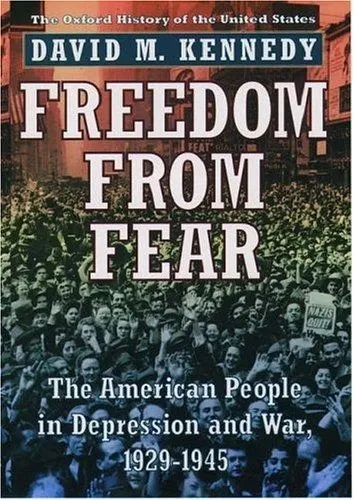
1929年から1945年にかけて、アメリカの人々には二つの大きな試練が訪れた——大恐慌と第二次世界大戦である。本書は、これらの前例なき災厄に直面して、アメリカ人がいかに耐え、そしてついに乗り越えたかの物語を語る。デイヴィッド・M・ケネディは、1930年代の経済危機が、単に1920年代の過剰への反動にとどまらないものであったことを示す。大暴落に先立つ一世紀以上のあいだ、アメリカの抑制なき産業革命は、好況と不況の循環を繰り返し、資本を食いつぶし、都市にも農村にも等しく困窮をもたらしてきた。また、1920年代のいわゆる繁栄も、伝説が描くほど一様に分かち合われてはいなかった。数えきれないほどのアメリカ人が、国民生活の周縁でつましい暮らしをかろうじて営んでいた。ローズヴェルトのニューディールは、1930年代の苦難から機会をもぎ取り、経済的・社会的改革の永続的な遺産を築いたが、それは欠点と矛盾をもあわせ持っていた。ケネディは、ニューディールの成果とともに、その問題や敗北をも詳細に描く。だが、ニューディールが恐慌に対処しているまさにそのとき、新たな脅威が国外で育ちつつあった。ドイツ自身の経済的重荷につけ込み、ヒトラーは不満を抱く人々に手を伸ばし、その当てどない不満をナチ党への忠実な支持へと変えていった。アジアでは、日本が自らの帝国的野心を抱いていた。恐慌と闘ったのと同じ世代のアメリカ人が、やがて、世界規模の破壊を引き起こし、核の時代を切り開き、彼らの生き方と、国の世界に対する関係を永遠に変えることになるもう一つの戦争で、武器を取らねばならなくなった。この年代記の第二部で、著者は、国がこの戦争における自らの役割にいかに苦悩し、いかに戦い、なぜ合衆国が勝利者となったのか、そしてなぜ勝利の帰結が、あるときは甘美で、あるときは皮肉なものであったのかを説き明かす。ケネディは、アメリカの戦略を規定した要因、指揮官や政治家が直面した苦しい選択、そして恐れを飲み込んで精いっぱい戦いに臨むことを強いられた何百万もの普通のアメリカ人に与えられた苦難を分析する。
AI翻訳 内容に誤りを含む場合があります。
原著あらすじ
Between 1929 and 1945, two great travails were visited upon the American people: the Great Depression and World War II. Freedom from Fear tells the story of how Americans endured, and eventually prevailed, in the face of those unprecedented calamities. David M. Kennedy demonstrates that the economic crisis of the 1930s was more than a reaction to the excesses of the 1920s. For more than a century before the Crash, America's unbridled industrial revolution had gyrated through repeated boom and bust cycles, consuming capital and inflicting misery on city and countryside alike. Nor was the alleged prosperity of the 1920s as uniformly shared as legend portrays. Countless Americans eked out threadbare lives on the margins of national life. Roosevelt's New Deal wrenched opportunity from the trauma of the 1930s and created a lasting legacy of economic and social reform, but it was afflicted with shortcomings and contradictions as well. Kennedy details the New Deal's problems and defeats, as well as its achievements. Yet, even as the New Deal was coping with the Depression, a new menace was developing abroad. Exploiting Germany's own economic burdens, Hitler reached out the disaffected, turning their aimless discontent into loyal support for the Nazi Party. In Asia, Japan harbored imperial ambitions of its own. The same generation of Americans who battled the Depression eventually had to shoulder arms in another conflict that wreaked worldwide destruction, ushered in the nuclear age, and forever changed their way of life and their country's relationship to the rest of the world. In the second installment of the chronicle, the author explains how the nation agonized over its role in the conflict, how it fought the war, and why the U.S. emerged victorious, and why the consequences of victory were sometimes sweet, sometimes ironic. David M. Kennedy analyses the determinants of American strategy, the painful choices faced by commanders and statesmen, and the agonies inflicted on the millions of ordinary Americans who were compelled to swallow their fears and face battle as best they could. - Publisher.
受賞
原書で読む
広告(アフィリエイト)を含みます
この本の和訳はまだありません(翻訳が望まれます)。