ピューリッツァー賞 一般ノンフィクション部門 ・ 2002
未訳Carry Me Home: Birmingham, Alabama, the Climactic Battle of the Civil Rights Revolution
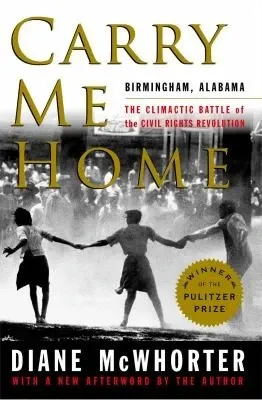
あらすじ
本書は、公民権運動の時代の頂点をなす闘いを、バーミンガムを舞台に描く劇的な記録である。マーティン・ルーサー・キング・ジュニアに率いられた運動は、人種隔離の諸制度を打ち倒した。1963年の「バーミンガムの年」は、アメリカの長い公民権闘争の中でもっとも激烈な時期の一つだった。その春、キングに従う子どもたちのデモ隊は、人種隔離撤廃を求める巨大な非暴力の行進の中で、ブル・コナー公安委員の警察犬と放水に立ち向かった——それは20世紀のアメリカよりも旧約聖書にふさわしく見える光景だった。数か月後、クー・クラックス・クランの団員たちがダイナマイトで報復し、16番街バプテスト教会を爆破して4人の黒人少女を殺害した。だが、これらの衝撃的な出来事は贖いをももたらした。それらは、ためらいがちだった公民権運動を全国的な大義へと変え、法的な人種隔離をきっぱりと廃した1964年公民権法を促したのである。バーミンガムの名家に生まれた白人女性ダイアン・マクウォーターは、人種的正義を求めるこの闘いの対立する両陣営をとらえる。公民権運動の根を1930年代の旧左翼と労働組織化の努力にまでたどりながら、本書は、キングがバーミンガムに到着したころには運動が勝利を切実に必要とする衰えゆく力だったことを示す。マクウォーターは運動の指導者たちの間の主導権争い——とりわけ、バーミンガムの華やかな説教師にして活動家フレッド・シャトルズワースと、すでに世界的に名高く、シャトルズワースが長年実践してきた直接行動の戦術には両義的だったキングとの間の争い——を描く。本書は、FBIと警察の記録や文書館での長年の調査と、アメリカでもっとも暴力的なクラン支部に属していた団員たちとの会話を含む数百のインタビューの成果である。ジョンとロバートのケネディ兄弟、J・エドガー・フーヴァー、ジョージ・ウォレス、コナー、キング、シャトルズワースが、公民権運動の時代の忘れがたい出来事——傍観する警察の前でのフリーダム・ライダーズへの残虐な暴行、キングの偉大な証たる「バーミンガム刑務所からの手紙」、そしてウォレスの反抗的な「校門の前の立ちはだかり」——を背景に登場する。本書は、アメリカ史のこの変革の時代を描いた古典的名著である。
AI翻訳 内容に誤りを含む場合があります。
原著あらすじ
"Carry Me Home is a dramatic account of the civil rights era's climactic battle in Birmingham, as the Movement led by Martin Luther King, Jr., brought down the institutions of segregation.". ""The Year of Birmingham," 1963, was one of the most cataclysmic periods in America's long civil rights struggle. That spring, King's child demonstrators faced down Commissioner Bull Connor's police dogs and fire hoses in huge nonviolent marches for desegregation - a spectacle that seemed to belong more in the Old Testament than in twentieth-century America. A few months later, Ku Klux Klansmen retaliated with dynamite, bombing the Sixteenth Street Baptist Church and killing four young black girls. Yet these shocking events also brought redemption: They transformed the halting civil rights movement into a national cause and inspired the Civil Rights Act of 1964, which abolished legal segregation once and for all.". "Diane McWhorter, the daughter of a prominent white Birmingham family, captures the opposing sides in this struggle for racial justice. Tracing the roots of the civil rights movement to the Old Left and its efforts to organize labor in the 1930s, Carry Me Home shows that the Movement was a waning force in desperate need of a victory by the time King arrived in Birmingham. McWhorter describes the competition for primary among the Movement's leaders, especially between Fred Shuttlesworth, Birmingham's flamboyant preacher-activist, and the already world-famous King, who was ambivalent about the direct-action tactics Shuttlesworth had been practicing for years.". "Carry Me Home is the product of years of research in FBI and police files and archives, and of hundreds of interviews, including conversations with Klansmen who belonged to the most violent klavern in America. John and Robert Kennedy, J. Edgar Hoover, George Wallace, Connor, King, and Shuttlesworth appear against the backdrop of the unforgettable events of the civil rights era - the brutal beating of the Freedom Riders as the police stood by; King's great testament, his "Letter from Birmingham Jail"; and Wallace's defiant "Stand in the Schoolhouse Door." This book is a classic work about this transforming period in American history."--BOOK JACKET.
受賞
原書で読む
広告(アフィリエイト)を含みます
この本の和訳はまだありません(翻訳が望まれます)。